Published by
William Anderson
“Gold has been money for over 5,000 years.” You’ll hear this phrase often when you begin researching gold and other precious metals as an investment and as a way to protect long-term wealth. Before modern financial systems existed, gold was valued for its scarcity, durability, and universal acceptance. Ancient civilizations such as those in Egypt, Mesopotamia, and the Balkans used gold as a store of value thousands of years before it was formally coined as money around 700 B.C. in what is now modern-day Turkey.
Long before paper currencies and central banks, gold served as a reliable way to preserve wealth. That historical track record is why many investors today view gold not as a short-term trade, but as a long-term store of value and a foundational asset in a diversified portfolio. I started investing in Precious Metals in 2015 at the age of 28 as I truly believe gold is the best form of money, and that thesis continues to play out cycle after cycle in financial markets. I maintain that physical gold should be a cornerstone in everyone's portfolio because it can perform well in deflationary & inflationary times. I'd recommend that people hold atleast 5% of investable assets in Precious Metals to as high as 20% (my allocation is even higher).
Why Invest in Gold and Silver?
One of the concepts that first drew me to gold is that it does not carry what is known as counterparty risk. Most financial assets depend on someone else’s ability to perform. Stocks rely on a company remaining profitable, bonds depend on the issuer’s ability to repay, and bank deposits assume the bank itself stays solvent. These dependencies are all forms of counterparty risk — risks that can become very real during economic downturns or financial crises. Physical gold is a tangible, real asset that does not rely on a promise or third party to retain its value. When you own physical gold outright, there is no counterparty between you and the asset, which is why many investors view it as one of the safest forms of long-term wealth preservation. I am in this camp of people.
After becoming interested in Gold & Silver for a long-term investment, I dove in to the fundamental understanding of Precious Metals and how they hold up in different Macroeconomic “regimes.”
Gold is best known for its role as a hedge against inflation. The basic idea is straightforward: over long periods of time, the price of gold tends to rise alongside the expansion of the money supply. When more currency is created, each unit of currency buys less, while scarce assets like gold reprice higher. A clear historical example occurred between the mid-1970’s and early 1980’s, when prolonged periods of above-average money supply growth led to a cycle of inflation.
During that time, the Federal Reserve repeatedly expanded the money supply to combat unemployment, then tightened policy to fight inflation, and again reversed course to easing as economic slowdowns emerged. This “stop-and-go” approach helped fuel inflation, which ultimately peaked near 14% in 1980. While nominal stock prices moved sideways during this period, equities lost significant value in real terms. Inflation erodes purchasing power and is eventually bad for stocks. Gold ended up as the best performing asset of the 1970’s where it went from $35/oz to over $800 in January 1980, which is a gain of over 2,300%.
Gold has also historically protected wealth during periods of deflation, most notably during the Great Depression of the 1930s. During that time the price of gold was fixed at $20.67 per ounce under the U.S. gold standard. As deflation wreaked havoc after the biggest stock market crash in history and confidence in the banking system deteriorated, demand for physical gold surged, leading to significant outflows from government gold reserves as investors preferred gold over dollars. In response, President Franklin D. Roosevelt revalued gold in 1933 by raising the price from $20.67 per ounce to $35 per ounce. This policy effectively devalued the U.S. dollar by roughly 40% overnight and reset gold higher in dollar terms, preserving purchasing power for those who owned gold during a period of severe economic stress.
Understanding the Different Types of Precious Metals Products
When I first decided to invest in precious metals, I spent some time researching how to do it correctly. It quickly became clear that you want to purchase gold and silver bullion as close to the spot price as possible.
What is the Spot Price?
The Spot price refers to the current market price at which gold can be bought or sold for right now. In commodity markets, prices are generally quoted in two ways: the spot market, which reflects today’s price, and the futures market, which reflects prices for delivery at a later date. For Precious Metals investors, the Spot Price is your reference point for buying and selling today. You can find the spot price on a lot of financial news websites and just about any gold-related website, with my personal favorite being www.TheBullionX.com.
What is the Premium?
When buying physical gold or silver, the premium is the amount paid above the spot price of the metal. This premium generally has two components: the wholesale markup and the retail markup.
The wholesale markup is the cost a retail dealer pays when purchasing bullion from large, industry-wide wholesalers and mints that supply most of the precious metals market. These wholesalers handle refining, minting, distribution, and inventory risk, all of which are reflected in wholesale pricing.
The retail markup is the additional amount an investor pays when purchasing bullion from a dealer. This markup covers the dealer’s operating costs, logistics, compliance, and customer service.
At TheBullionX.com, our goal is to keep retail premiums as close to wholesale levels as possible, allowing investors to acquire physical gold and silver with minimal friction between spot price and ownership. I personally found someone who did this for me when I first invested into metals, and my goal in life is to pass that on to my customers and make them friends.
Bullions Coins
The focus of my own Precious Metals portfolio are Bullion Bars & Bullion Coins. The most popular Bullion Coins (can be found in Gold or Silver):
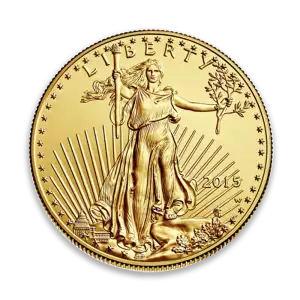
- American Eagles - These are the U.S. Mint’s flagship product and one of the most recognized coins in the world. They feature Lady Liberty on one side and a family of Eagles on the other. This is the onlyIRA-approved 22-karat Gold bullion coin.
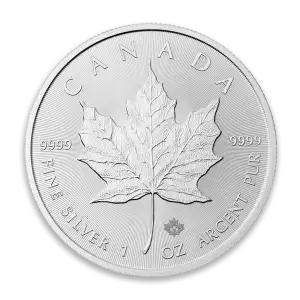
- Canadian Maple Leaf - Maple Leafs are highly valued for their purity, making them a great choice for investors who prefer 24-karat gold. The coin also has advanced security features in the form of micro-engraved radial lines and a laser-marked maple leaf, making it one of the most counterfeit resistant bullion coins on the market.
- South African Krugerrand - The oldest modern Gold Bullion coin. Made from 22-karat gold with a distinctive orange hue due to copper content.
- American Gold Buffalo - Another popular U.S. Mint coin first issued in 2006. It was the first coin made by the U.S. Mint that is 99.99 percent pure gold. Features a Buffalo and Native American portrait design.
Bullion Bars
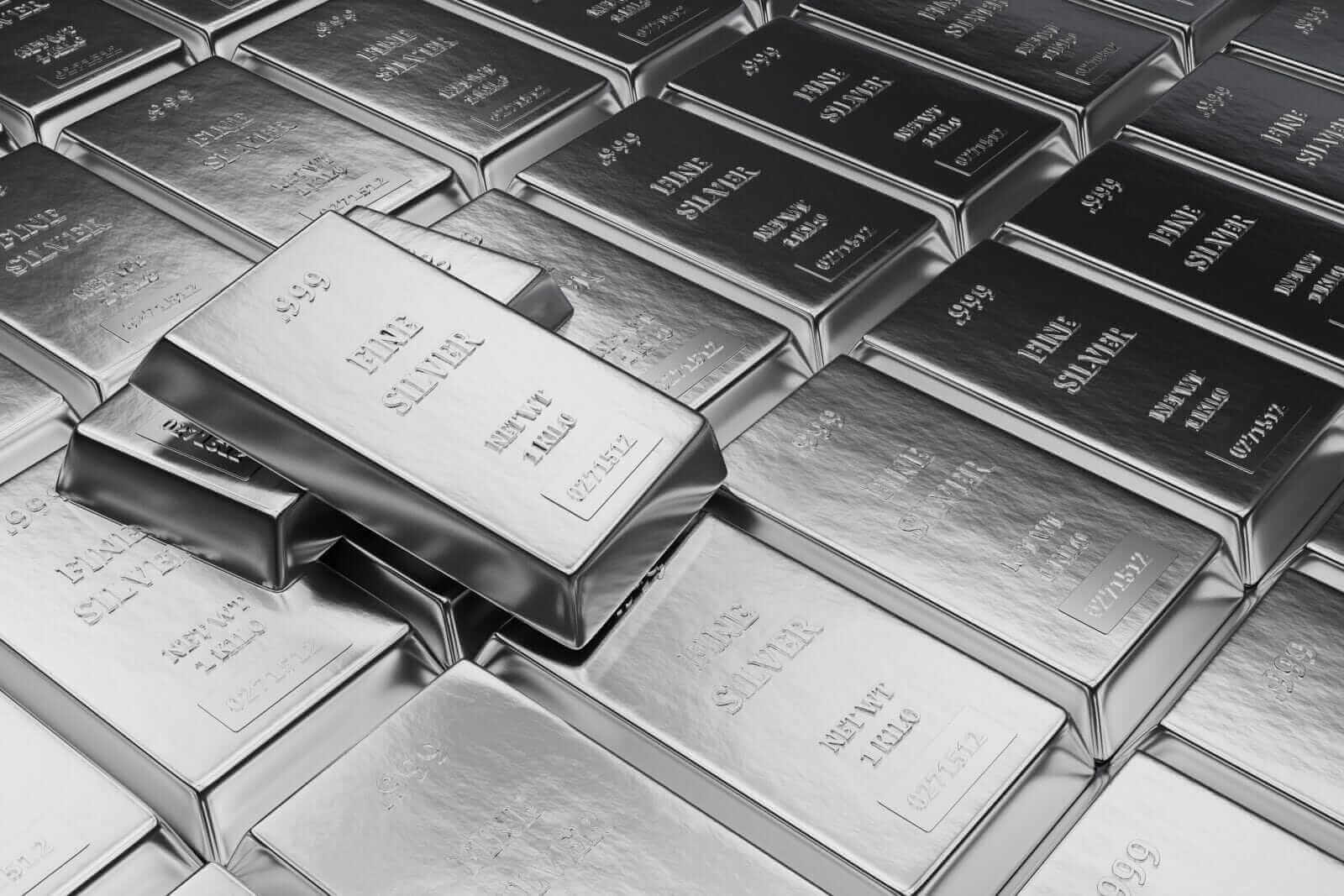
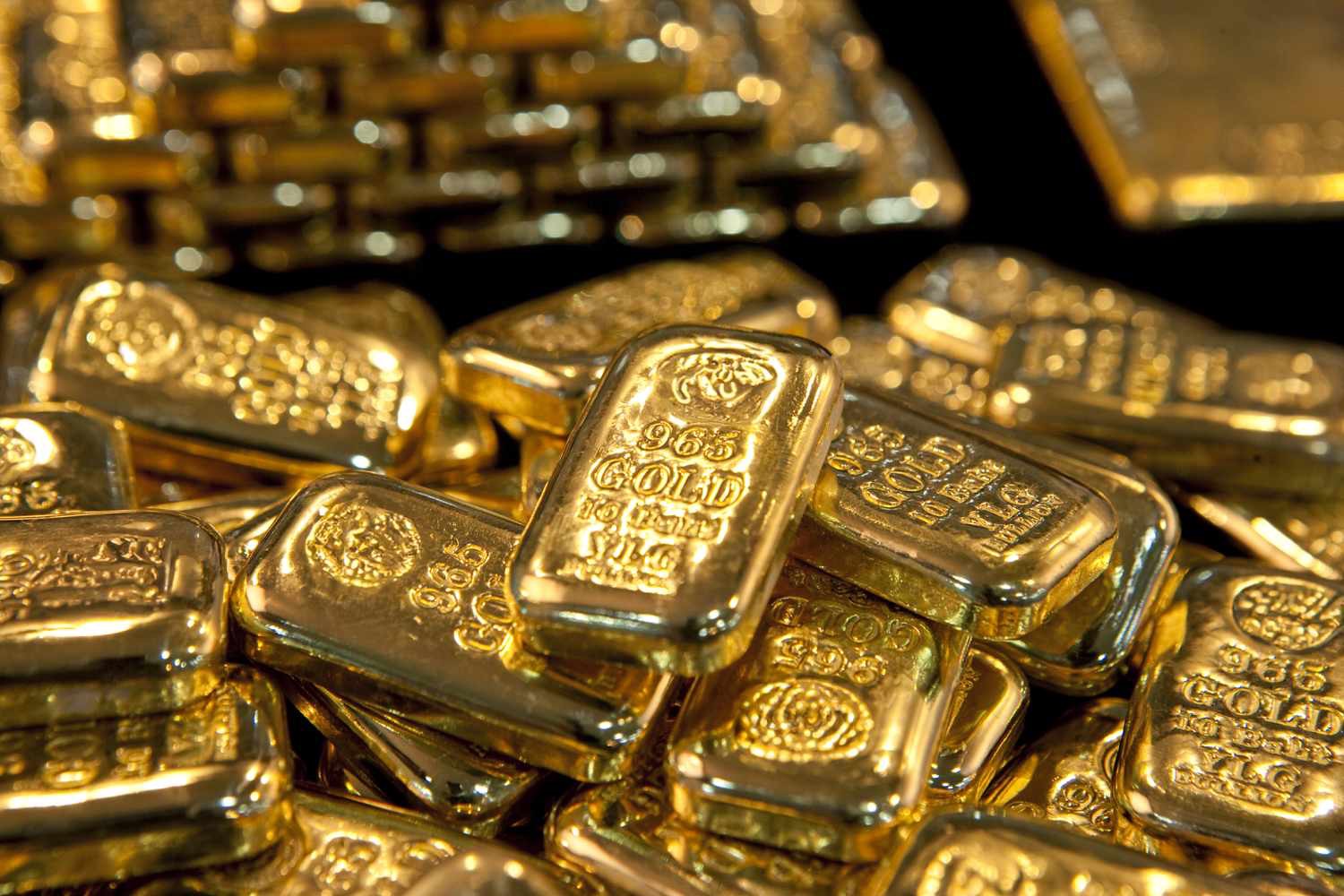
I also buy & hold Bullion Bars. The heavier the bar, the closer to spot you should be able to get. Here are some of the most popular Bullion Bars:
- PAMP Suisse (Switzerland) - The world’s leading privately operated precious metals refinery. With world-renowned assaying services, high standards, craftsmanship and purity, Gold Bars certified and sealed by PAMP have status in the precious metals market.
- Valcambi (Switzerland) - The CombiBar was introduced in 2011 by Valcambi. These 50-gram bullion bars were designed to fit into a wallet much like a credit card. Each bar is divisible into 50 individual 1-gram bars and is easily broken apart, making it a portable, divisible and universally acceptable currency option. (IRA-approved)
- Perth Mint (Australia) - The Perth Mint 1 oz Gold Bar is one of the most affordable ways to purchase Gold Bullion. They are usually sold at low-premiums relative to spot compared to other bars and coins. Made from .9999 Pure Gold
- Royal Candian Mint (Canada) - The RCM is possibly the most popular brand for 1 oz gold bars and also 100 oz Silver Bars. These were the first bars that I purchased because of the ability to get so close to spot.
Why to Avoid Numismatic Coins
Numismatic or “collectible” coins often carry significantly higher premiums than standard bullion because their pricing is driven by rarity, condition, and collector demand rather than the amount of gold or silver bullion they have in them. While these coins may appeal to collectors, they are overpriced relative to their actual metal content, which means a larger portion of the purchase price goes toward speculation instead of bullion. For investors focused on acquiring ounces and preserving wealth, paying elevated premiums for numismatics doesn’t make a lot of sense unless you are sentimentally attached to them or just enjoy paying high prices for the collectible value. This is why many bullion investors prefer straightforward coins and bars that closely track the spot price of the underlying metal.
Final Thoughts
You want to find someone you can trust. The foundation of any relationship or business venture in life is trust, and that is especially true when it comes to buying bullion. Precious metals are meant to be held for the long term, across many years or even generations, so it matters who you choose to buy from. I would encourage anyone interested in investing in gold or silver to do some research on the dealers they are considering and compare the premiums being charged. You can calculate a dealer’s premium by looking up the current spot price and subtracting it from the price being charged for a one-ounce gold or silver product.
Ultimately, I would choose the dealer you trust most, while also taking into account how reasonable their premiums are. My goal has always been to charge the lowest premiums I possibly can. This is what I genuinely enjoy doing, and there is nothing better than providing real value to people who share a long-term mindset around precious metals. If you have any questions or want help getting started, feel free to reach out to me directly at William@TheBullionX.com. You can also find more information at www.TheBullionX.com.
Happy investing
William Anderson
Founder & CEO at The Bullion X